Keeping pace with AI so more of my time goes to design
Overview
Why
AI tools keep changing, and so does what a designer is expected to do. I keep learning them so my time and my company’s resources go where they count.
How
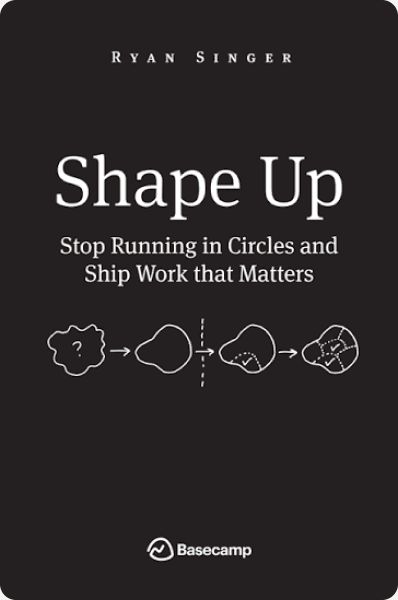
My team works in Shape Up cycles. I prototype in Claude Design and run four Hermes agents for design critique, user and industry research, and a daily project brief.
- Shape Up
- Claude Design
- My team of AI agents
What stays mine
Deciding what the problem is, what to build, and what’s good enough to ship. AI speeds up the work around those calls; it doesn’t make them.
Adopting Shape Up
My team moved from the two-week Jira sprints to Shape Up: six-week cycles with two-week cooldowns between each cycle. I now sit on several small teams at once, owning the solution and design stage of each project along with its design reviews and QA.
- I bring people into the work instead of handing it to them at the end.
- I keep stakeholders informed, often and plainly. Working remote made me direct, so nobody has to ask where a project stands.
- I take each problem to the person who can actually answer it, and if a decision stalls, I ask again until it's made.
AI for thinking, not inventing
AI is good at thinking and building (well, good enough for what I need), but bad at inventing anything truly new or simple. That is why I don't start with it. I start with a framework for the solution, or I explore freely until I have an opinion. Then comes my design brainstorming workflow:
- I prototype with AI to shake loose ideas I wouldn't reach alone.
- Once I know what I'm after, I ask for several UI patterns.
- I choose one and turn it into a mockup the team can react to and align on.
- I take it into Figma and make it right.


The right tools for the job
- Hermes is my thinking partner. It’s not great at design, but it’s great with integrations and contextual learning.
- Claude Design is my design tool of choice after exploring tools like Figma Make, Codex, Stitch, Hermes on Gemini
- My own Design and Problem Solving skills because I’d argue those are still vitally important to good design.
My team of AI agents
I was the only designer on the team, so I built myself a department. It runs through Hermes, an open-source agent framework from Nous Research, using Gemini: four agents, each with one job, connected with company approval to the tools they need.
Roy · senior designer
Knows our Figma design system, and isn't allowed to be nice to me. He checks my work against the industry and tells me where I'm wrong, because most AI tells you you're right even when you aren't.
Shallan · user researcher
Reads our Datadog reports and Attention call recordings, and argues for the user from the data. Also learns from what I say to argue the things it’s learning about our users.
Navani · industry researcher
Reads Nielsen Norman Group, Medium, and other platforms for the patterns and standards my designs could meet if using a conventions users are familiar with would make the most sense.
Higgins · chief of staff
This is who I talk to. Every time. It talks to the other 3 and brings back 1 opinion. Every morning he posts a brief for me in Slack summarizing important Jira movement, industry highlights, and new user needs.
What I'm good at
- Chasing the finish line. If a team is stalling, I continue asking until a decision is made, and I unblock whatever I can.
- Understanding the problem before the solution. I'm getting more strategic in how I design, communicate, and plan.
- Critiquing before copying. When someone hands me their idea, I find its strengths and weaknesses first. Including what AI gives me. I'm still sharpening this one.
- Being teachable. I graduated college about a year ago with skills that are already out of date. Keeping to the habits and critical thinking practices I learned, I’ve been continuously experimenting with these new AI tools through trial and error, learning from coworkers, from YouTube, and from virtual conferences. I’m trying to evolve with the AI, and will always have more to learn.
Where I'm still growing
User research is probably my weakest spot. Circumstances have kept me from running interviews and tests, but that's an excuse, and I'm working on understanding users better and getting designs in front of them.
I’m kind of shy. I’ll take the reins, but it takes me a while to warm up to people, and a little longer to feel comfortable presenting ideas and mockups to stakeholders with confidence.